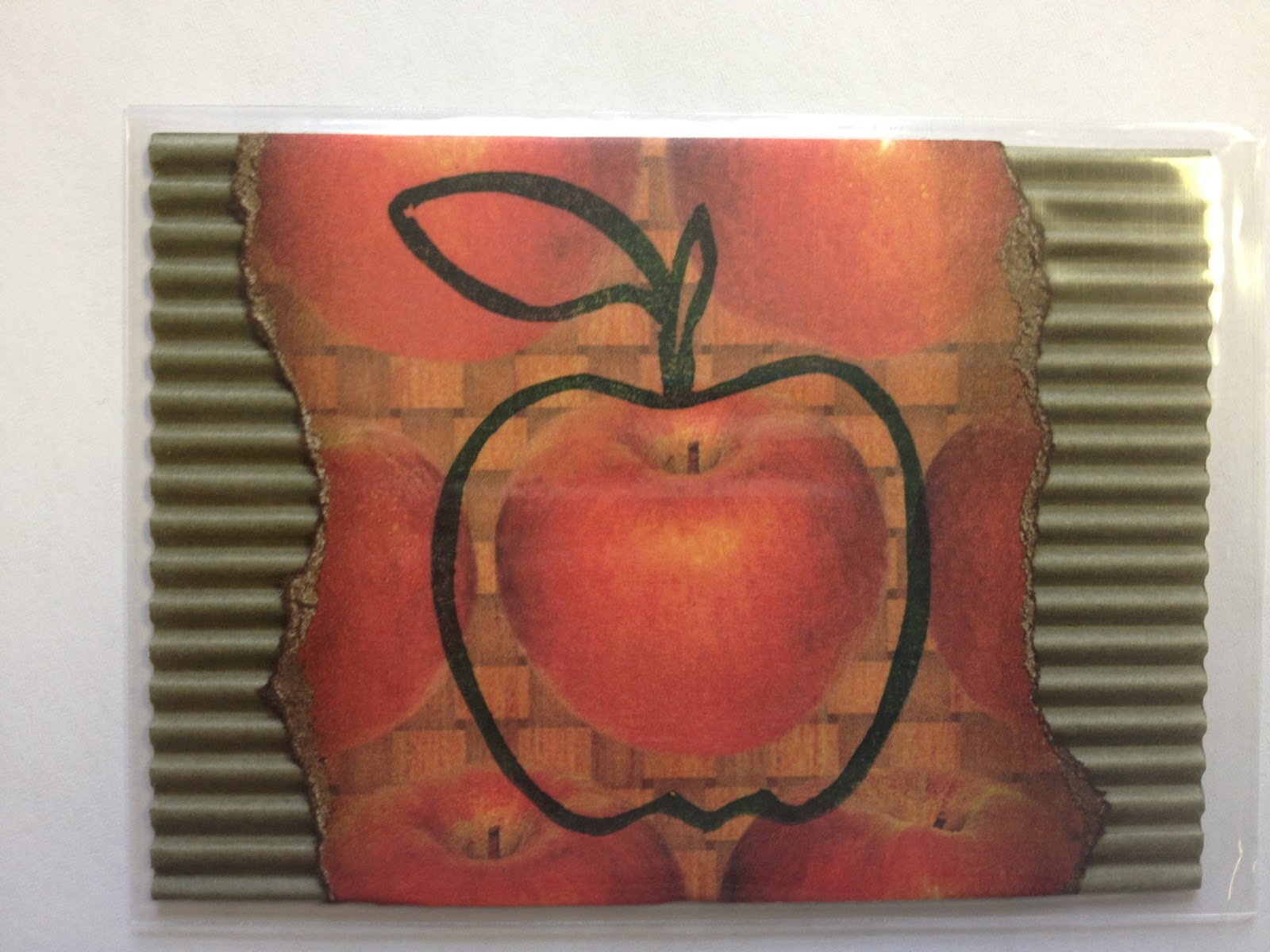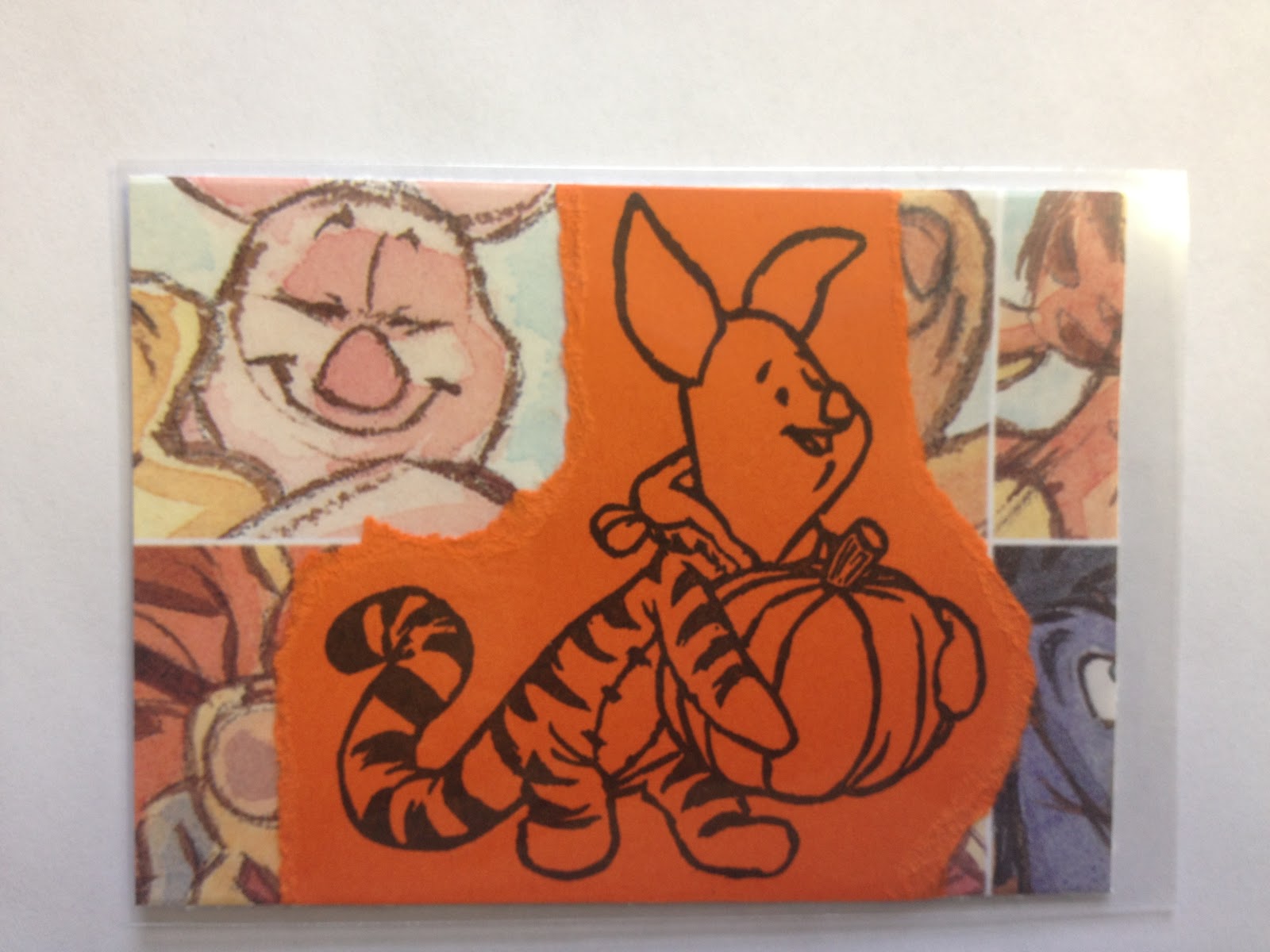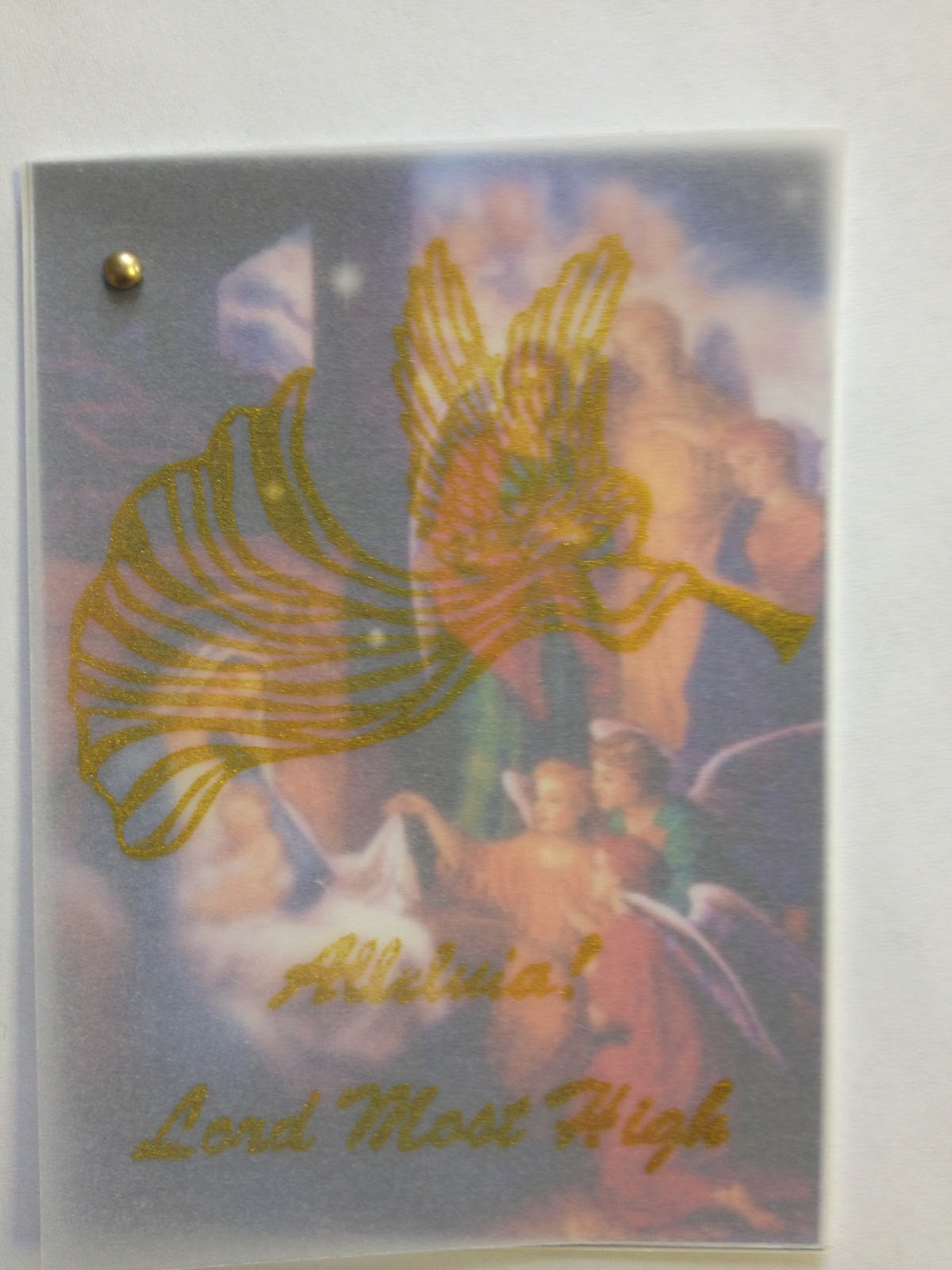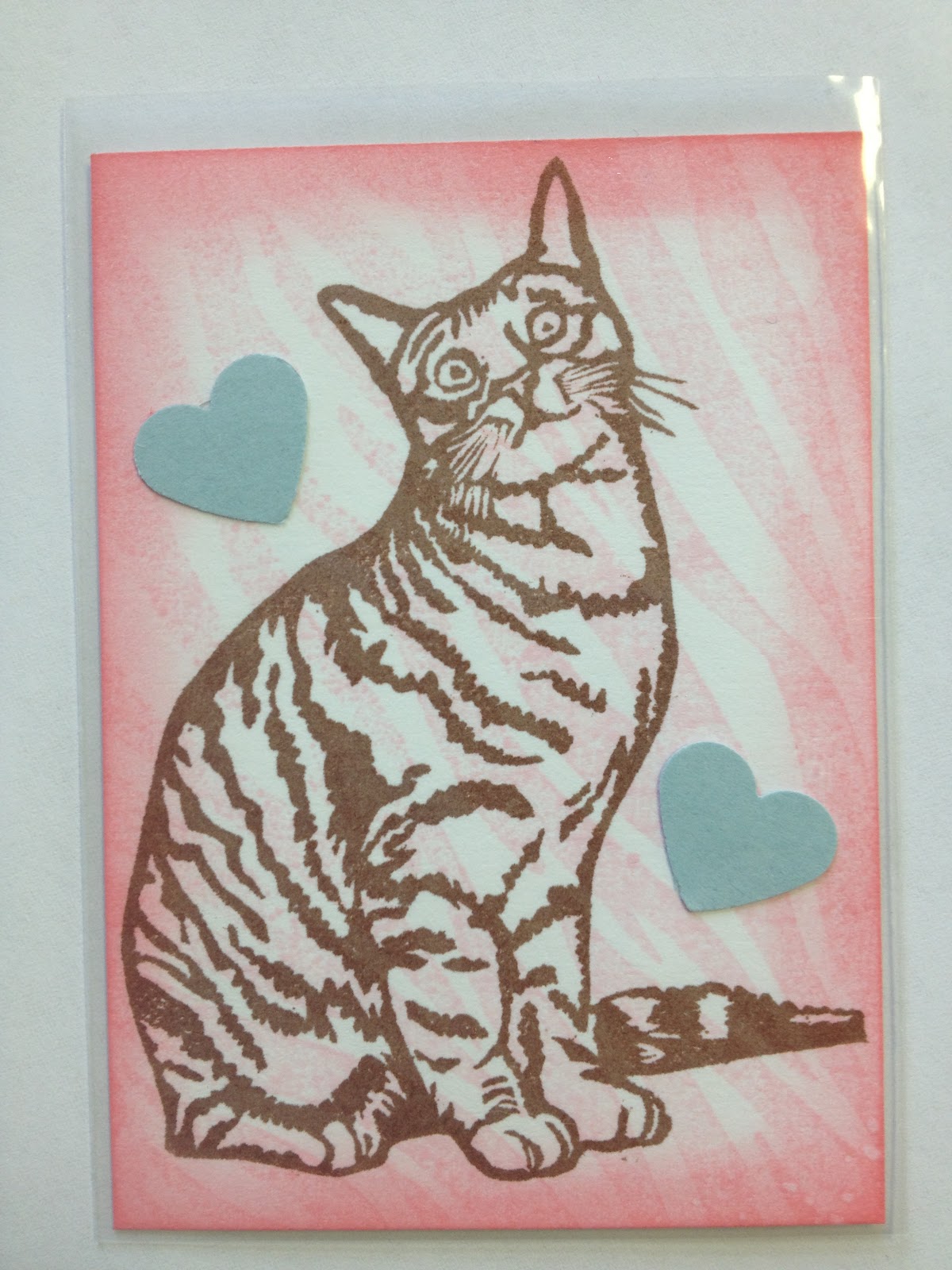
Yikes!! I started and saved this post a couple of weeks ago now, intending to finish and publish later that day. Oops. *red-faced*
In my last post, I mentioned that I'd be posting about a new discovery, and here it is! I've begun posting on swap-bot! *looks pointedly at blog badge* I've run across mentions of swap-bot here and there a few times over the past few years, but I'd never looked that closely at it.
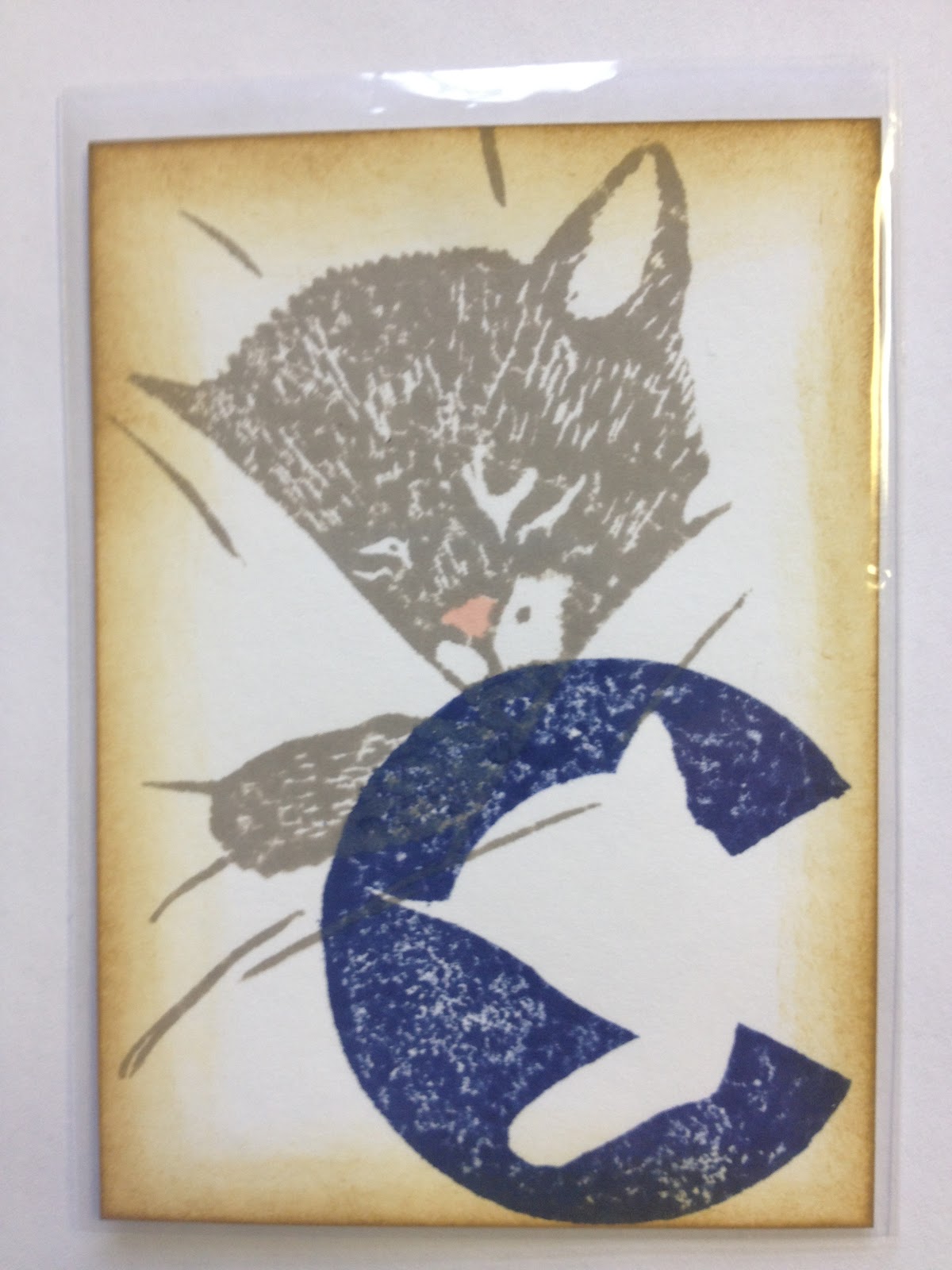
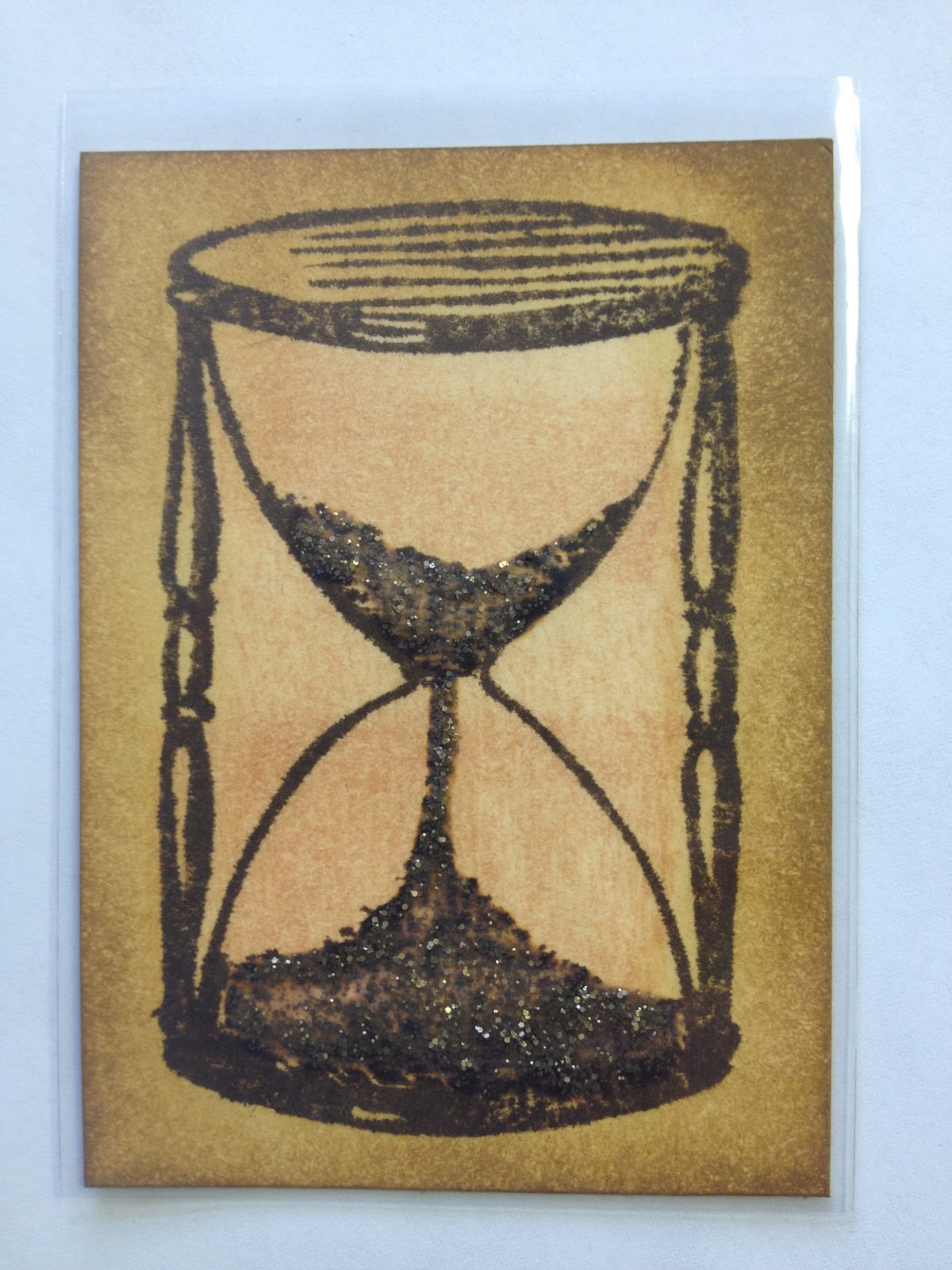
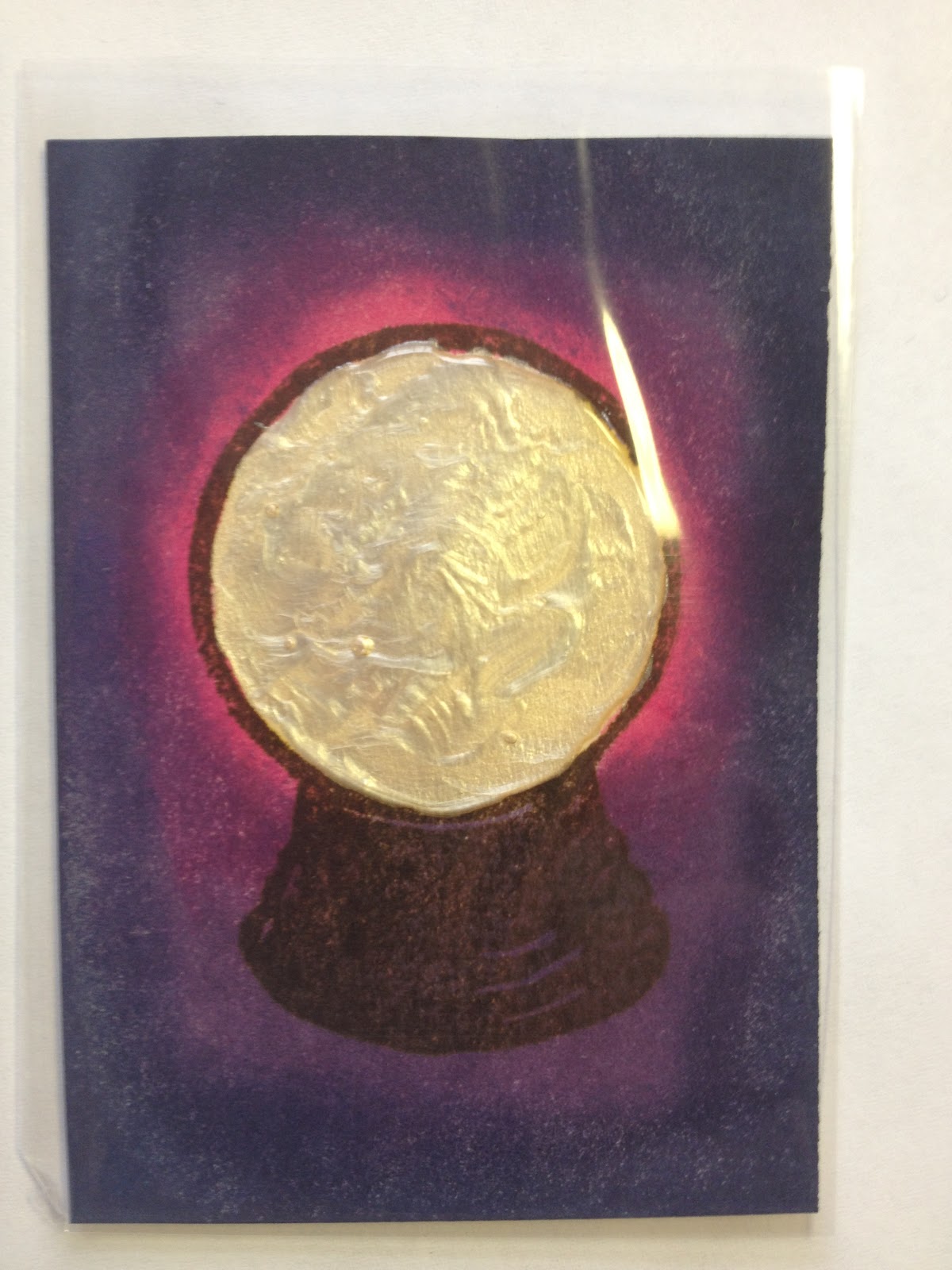
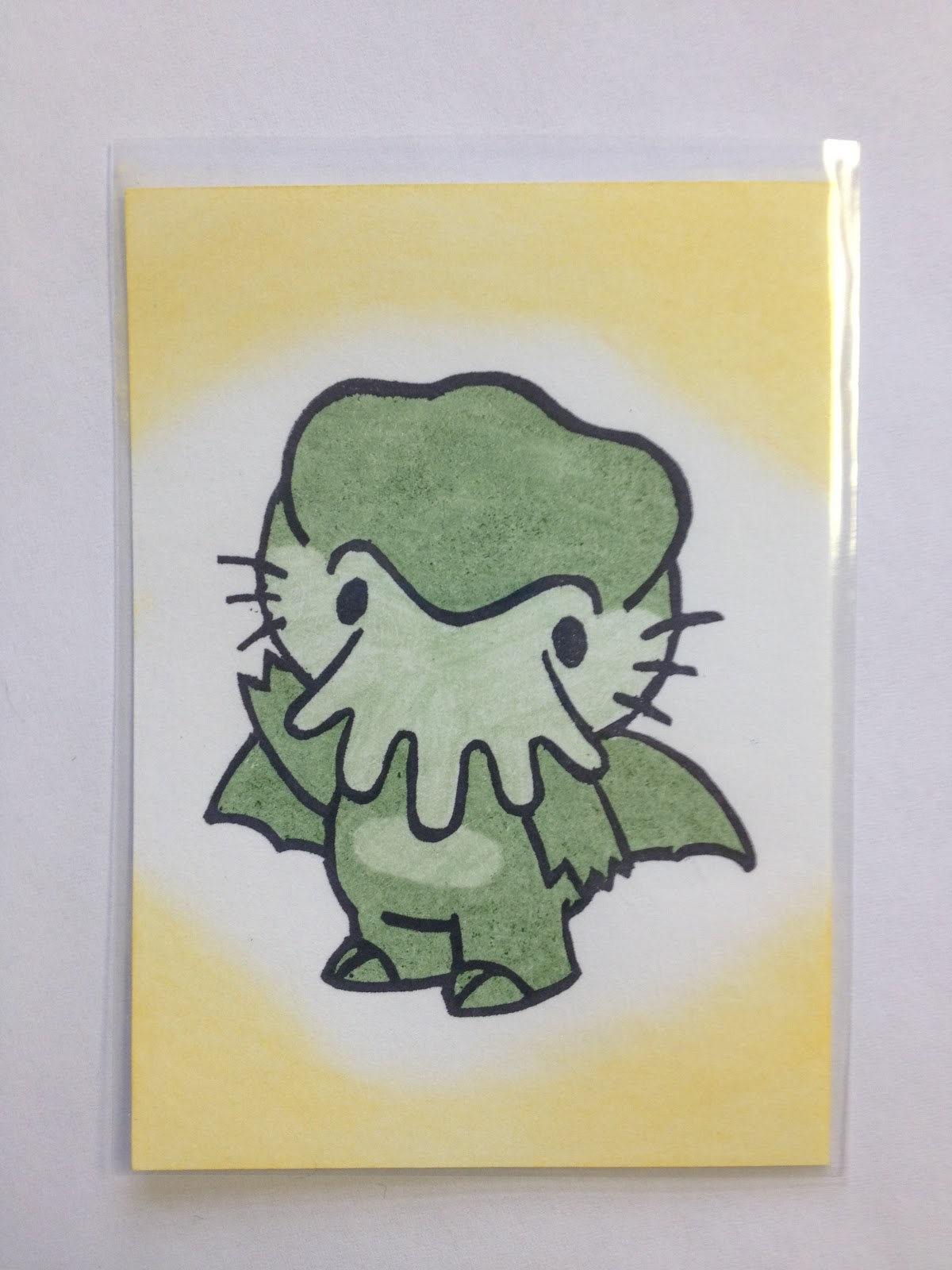
Well, my desire to get into ATC (versus LTC) creation left me wondering where to trade the cards I make, and I remembered swap-bot. One bored afternoon later, and I had an account, and I've now completed a modest number of trades, and begun building my rating. (Ratings are the bread and butter at swap-bot; a low rating means you've proven yourself unreliable, and no one will want to swap with you!) My very first swap was to send pictures of my pets and a note about them to another person. I was assigned a person in Austria to mail to, which was pretty cool because I learned that the USPS now has ROUND postage stamps for international mail! (Yes, I'm a great big dork, and you can point and laugh.) Since then, I've traded some ATCs, and right now I'm decorating some craft tags to swap.
After several years of trading LTCs on AtlasQuest, there are some pretty big differences with how swaps work on swap-bot. On AtlasQuest, when someone lists a swap idea, everyone makes enough copies of their card for everyone else in the swap to get one. So if there are 18 or 24 people in the swap, that's how many cards you make and send (plus any extras you want to have for private trades), and that's how many cards you get back. Everyone gets a full set. On swap-bot, you'll usually only make a card for 1 person, or a few people. The people you mail to are randomly assigned by the website software, and are not necessarily the same people who will mail to you. So you only send out a small number of cards, but you don't get as many cards back. The benefit to this system is that an unlimited number of people can so up for a swap without having an adverse effect on how much work the other participants have to do. The downside is that the idea of a "full set" is lost. Making multiples of a particular card the way LTC makers do seems to be less common, and when someone does so, the cards are referred to as editions. I have to say, I like having trading stock, I like having art to share with others, and I always keep a copy for my portfolio, so I've been making editions only. I'm not sure if there are people who'll get bent out of shape if the card they get isn't one of a kind, but I hope not.
But fair warning to anyone trading with me on the 'bot: I make editions. And I trade the extras. :-)
Since I've been trading on swap-bot, I've created 2 Picasa albums:
- My Cards available for trade (ATCs only; I may do a separate album for LTCs, but given that I have a couple hundred active cards, that's a pretty big project)
- My Gallery (tags I've made, other projects I've made and traded, and ATCs that I've traded away all of the extras of and now consider retired)
Feel free to check them out, and message me here or by email if there's something there that interests you. :-)
That's it for now (about swap-bot, at least). I'll have a post going up in a couple hours for my March tag, as well.
'Til then!
BAC
Showing posts with label LTC. Show all posts
Sunday, March 31, 2013
Monday, February 18, 2013
Lobster card
Hello all,
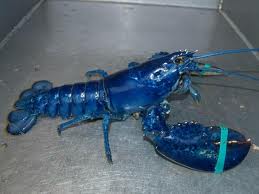
I wanted to take a little time to share the lobster-themed LTC I did recently for an Ocean Creatures swap. Given that the creatures depicted were supposed to still be alive, I didn't want to go with the traditional red that people usually make lobsters, but I wasn't sure how to go about that (and I also wasn't sure exactly what color I should make them, so I turned to Google.
After marveling at this guy:
BAC
I wanted to take a little time to share the lobster-themed LTC I did recently for an Ocean Creatures swap. Given that the creatures depicted were supposed to still be alive, I didn't want to go with the traditional red that people usually make lobsters, but I wasn't sure how to go about that (and I also wasn't sure exactly what color I should make them, so I turned to Google.
After marveling at this guy:
(Seriously, my favourite colour and everything!)
...I determined that most lobsters are dark greenish/brownish, but that there's a huge amount of variation between them. I know the lobsters I've seen in the tank at the grocery store often have orangey "spots", and I thought it would be pretty cool if I could depict that somehow on my card.
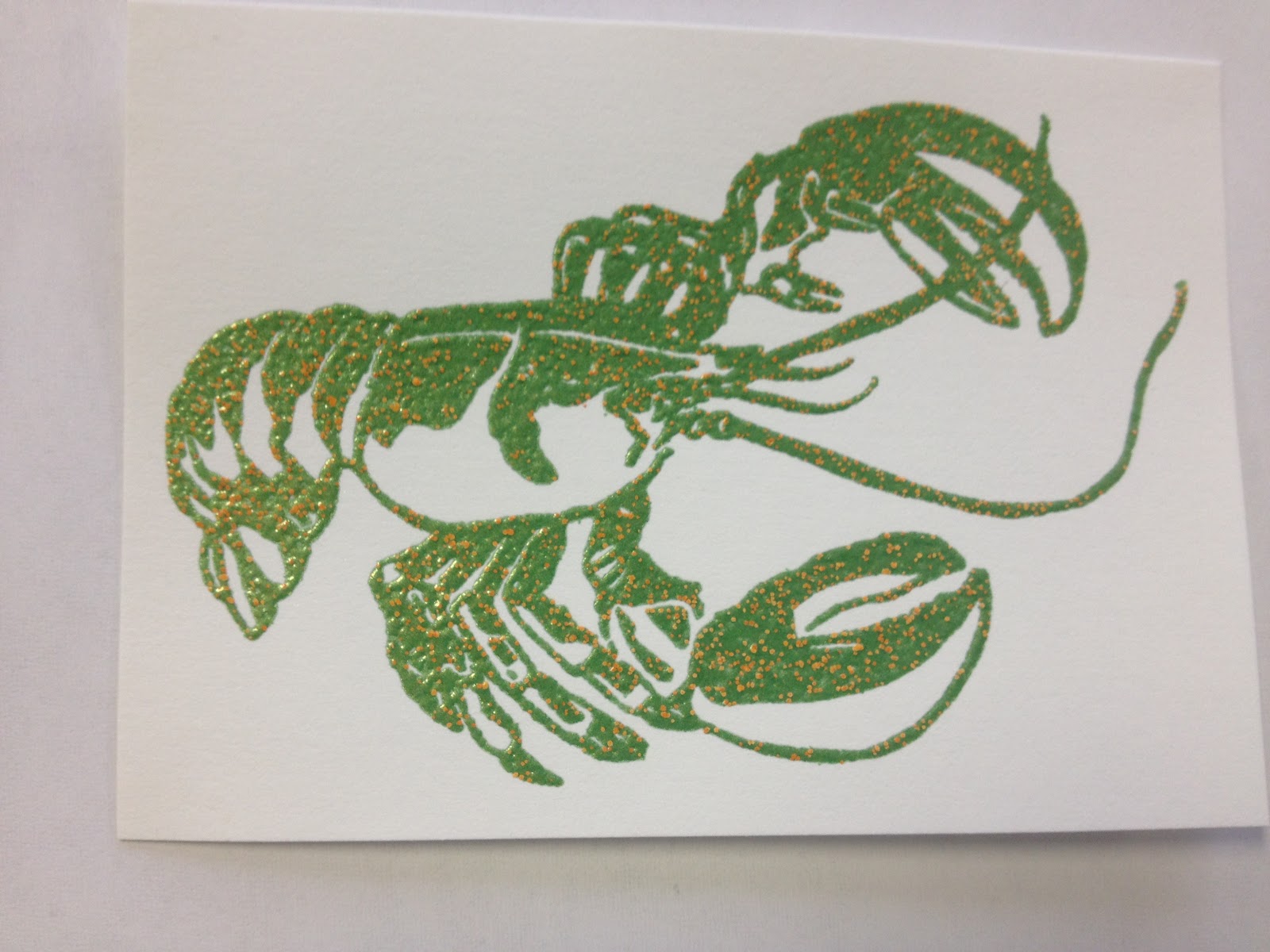
Once I finished carving my stamp, I began to experiment. I tried inking the stamp with a dark green, and then hitting it quick with an orange pad, but it didn't really work - the stamped image just looked green.
So I decided to emboss. I am a huge fan of the Zing! Line of powders from American Crafts. They do cool opaque powders that show colors well on dark cardstock, they do powders that give a nifty metallic shimmer, and they do glitter powders that I don't entirely hate (which is about the best I can say about glitter embossing powder - seriously, it's a pain to work with). The darkest green I have from them is actually their green metallic, but I figured it might look cool, so I decided to go with that, and I also pulled out their Apricot opaque powder to give my orange accents.
Then I got out my Heat Tool and got to work. Stamped my lobster with clear embossing ink (my go-to is Ranger Perfect Medium), and put on my green metallic. Once I had the powder on, I turned over the card and flicked it once hard on the back, to shake off the excess, but also to remove a bit more and make room for my orange. Then I shook my orange powder over the top, flipped it over and tapped more gently. Heated it up, and voila! I have green lobsters with orange spots.
Then I used Ranger Distress Stain in Salty Ocean (of course!) to put him underwater:
And there's my lobster! I still think the green is a little light for the effect I was going for, and I don't have any brown powder (well, I do, but it's Distress, and that's not at all the intended effect), but overall, I think he's pretty cute! :-)
Hope you enjoy!
BAC
Tuesday, February 5, 2013
What's an LTC?
After my first few posts, an excellent question was raised on Facebook: "what is an LTC?" Simply put, an LTC (or Letterboxer Trading Card) is an ATC that includes a hand-carved stamp. (Don't worry if you didn't understand anything in the previous sentence; I'm about to explain all.) :-)
First, let's take a look at ATCs, or Artist Trading Cards. ATCs are miniature works of art, the same dimensions as a baseball card (2.5x3.5"). They can be made out of any number of different materials, in varying styles. They are traded, and occasionally sold. For more info, check the Wikipedia page, which not only describes them well, but links to several popular sites for trading/obtaining ATCs.
So now the question turns to: what's does "Letterboxer" refer to? Letterboxing is a treasure hunting hobby. Usually it is compared to geocaching, but there are several key differences. Instead of relying upon a GPS unit to seek their treasure, letterboxers follow clues (which can range from rather straight-forward directions to mind-bending ciphers). And at the end of a letterbox hunt, instead of a cache of Happy Meal toys and pencils (let's be fair, that's been the contents of almost every geocache I've encountered), the seeker finds a letterbox, containing a rubber stamp and a logbook. The seeker carries their own personal stamp and logbook, and images are exchanged. The personal stamp is stamped into the letterbox logbook, and the letterbox stamp is stamped into the seeker's personal logbook. Then the letterbox stamp and logbook are rehidden for the next person to find. Most stamps that one finds while letterboxing are hand-carved, meaning that the images you collect in your logbook are one-of-a-kind. More info about letterboxing can be found on two main websites: AtlasQuest, and Letterboxing North America (LBNA).
I started letterboxing in April 2009, a few months after reading an article about it in the Buffalo News. (Since most letterboxes are hidden outdoors, I wasn't tremendously keen to start in the winter - I waited for better weather!) Letterboxers usually choose a "trail name" by which they are known in the letterboxing community, and BfloAnonChick is my trail name. (My real name is Liz. *waving*) The photo next to my blog profile shows my personal stamps. The torso with the name below it were carved by me, and are my current signature stamps. The pair of eyes below was store-bought, and was the signature stamp I started with when I first began letterboxing. I don't use it in logbooks anymore, but I still sometimes use it to "sign" the backs of my LTCs.
And here we are, back at LTCs. So what do artist trading cards have to do with treasure hunting in the woods? Well, several years ago, someone suggested that perhaps the same hand-carved stamps that were being placed in letterboxes, could be used to make ATCs. A letterboxer named Mama Cache hosted the first swap of these new ATCs, which were renamed LTCs, to reflect the use of a hand-carved stamp. (Some letterboxers do create cards using store-bought stamps, but it is generally accepted that for a card to be considered an LTC, the stamp that is the main focus of the card should be hand-carved. I have occasionally used store-bought stamps as accents or backgrounds, but any card I make that focuses on a store-bought stamp, I would consider an ATC, and trade as such.)
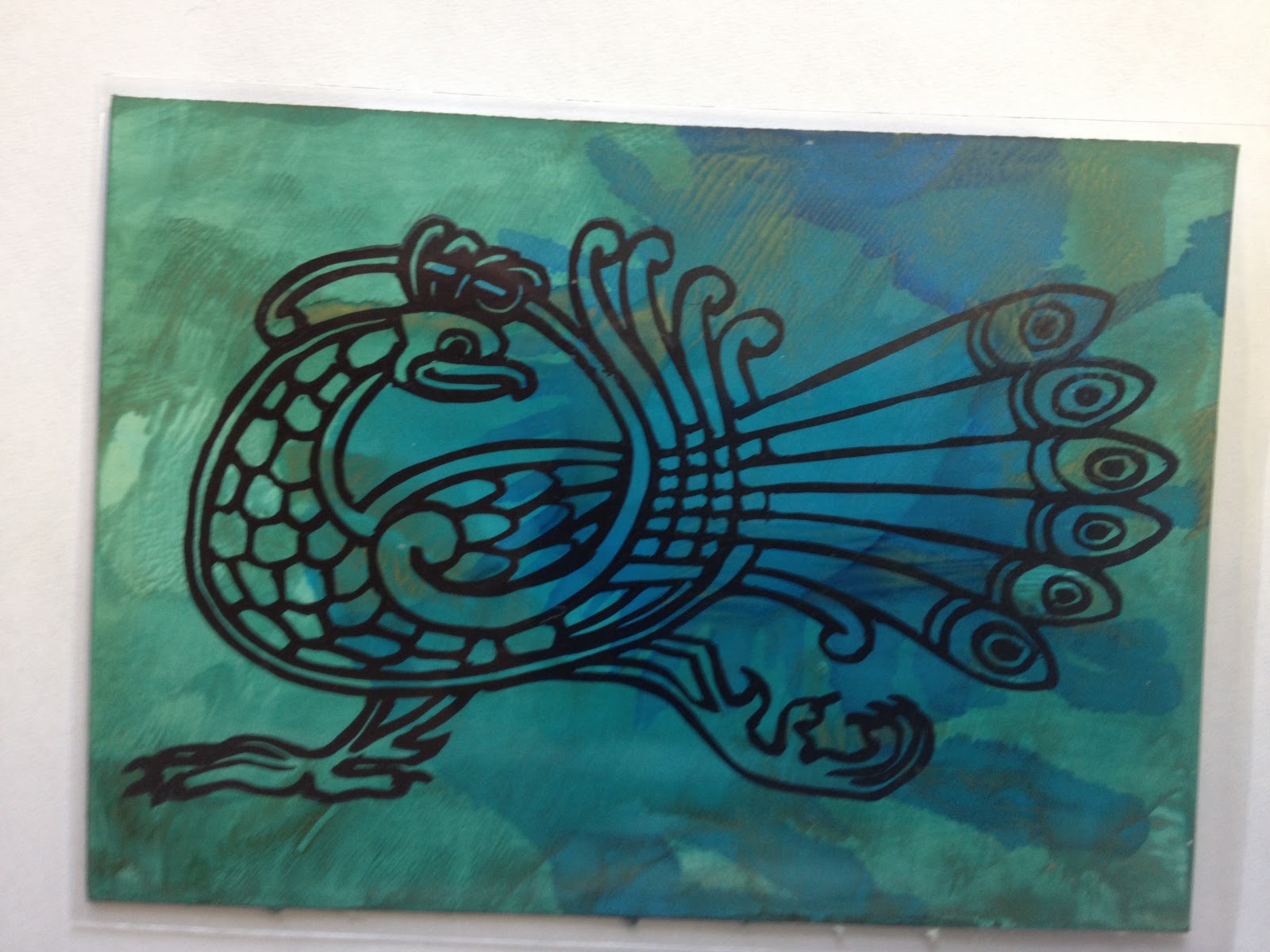
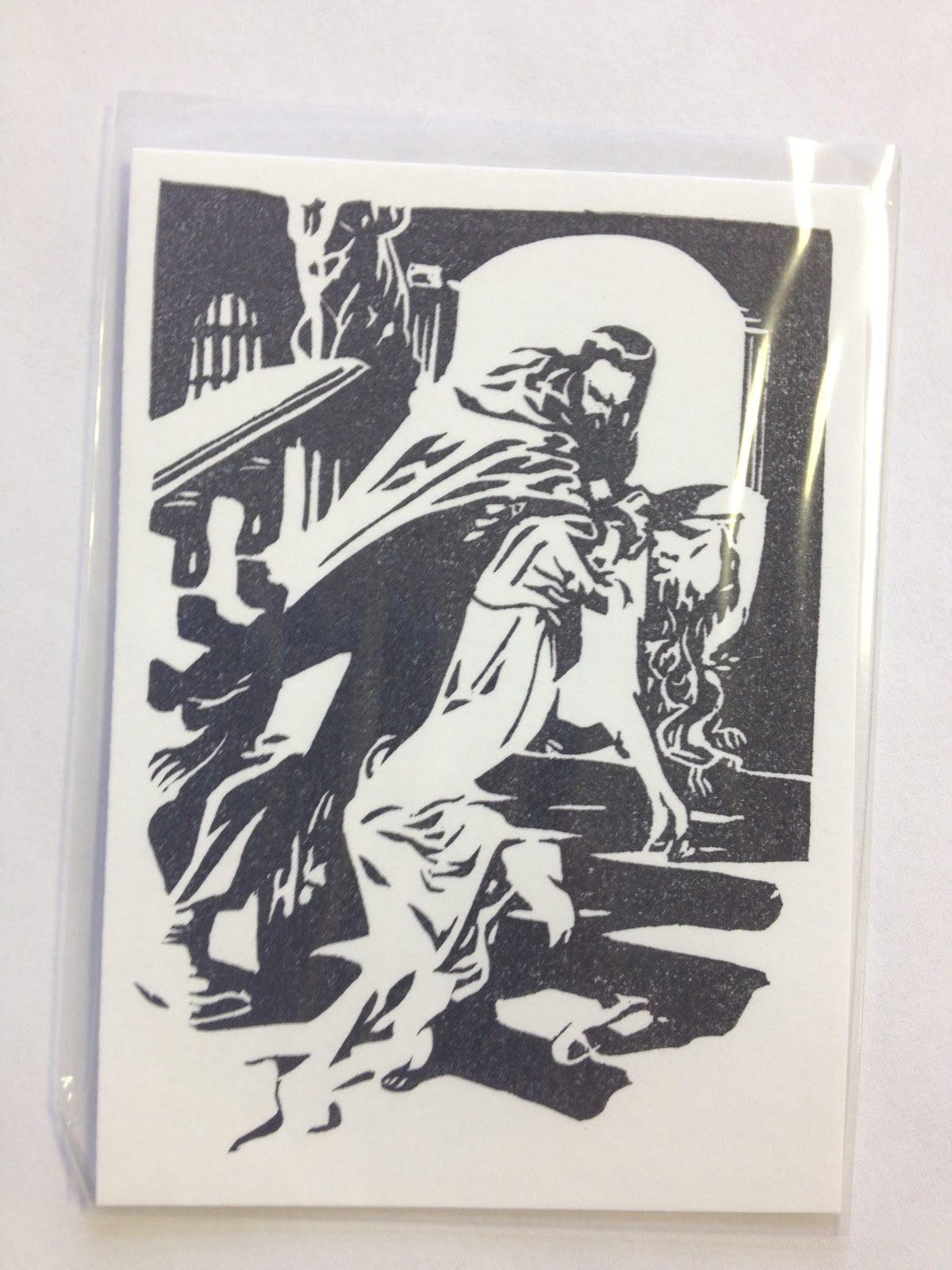
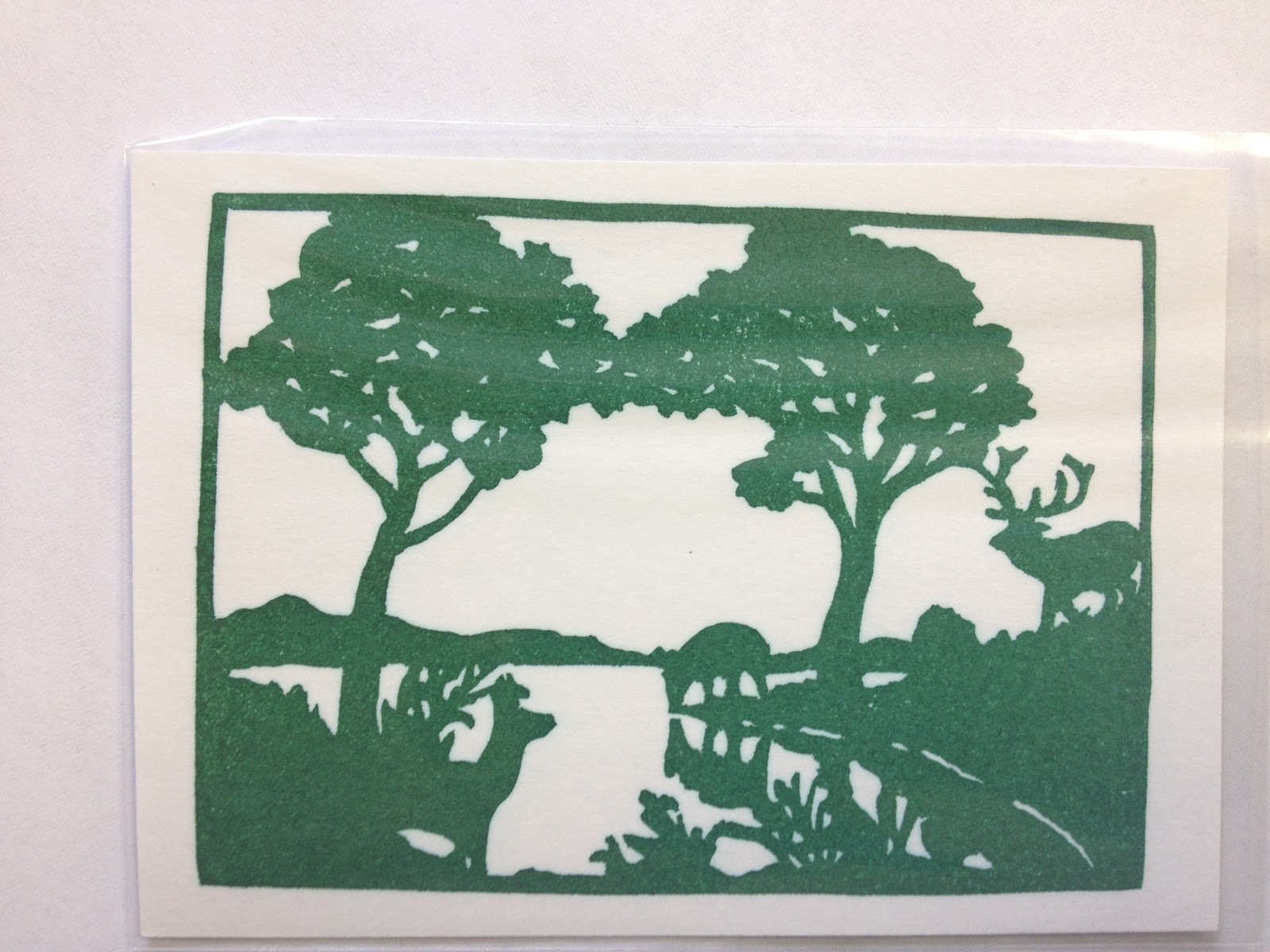
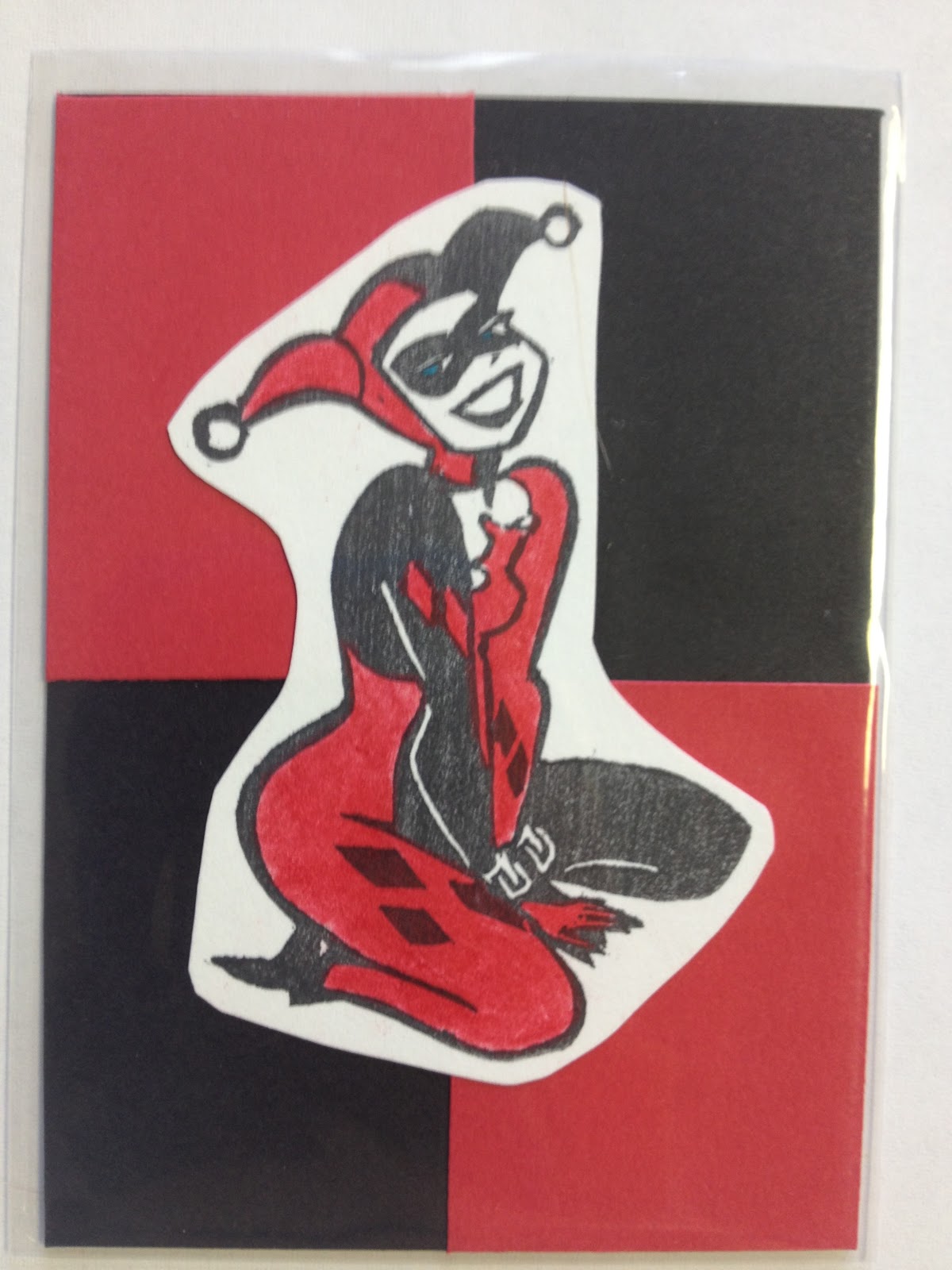
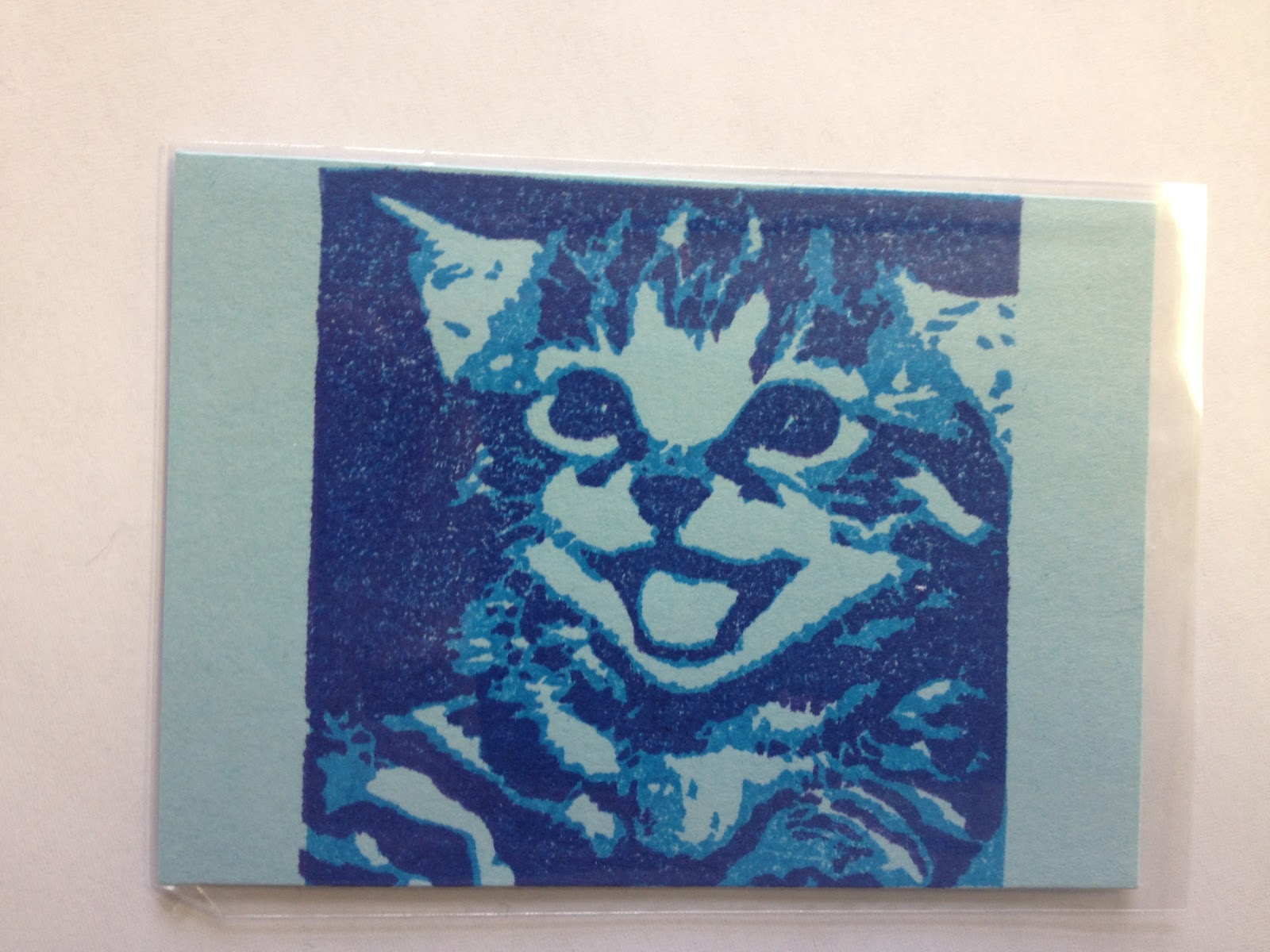
Since then, thousands of LTCs have been made and traded by hundreds of letterboxers. I began making and trading LTCs in July 2009, and I haven't looked back. Here are some of my favourites from over the years:
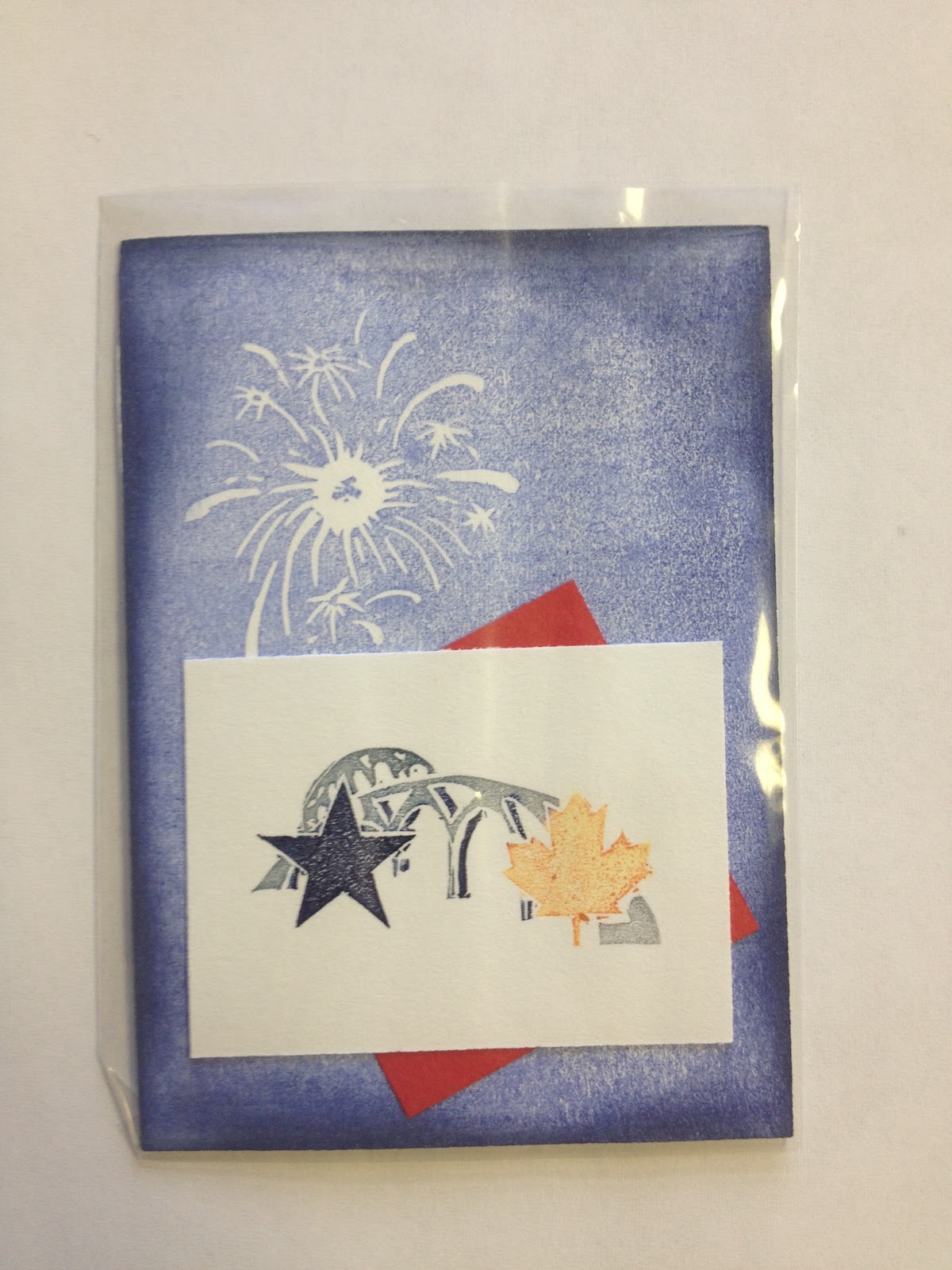
This was my first card, created to celebrate the annual Friendship Festival in Buffalo, NY & Fort Erie, ON.
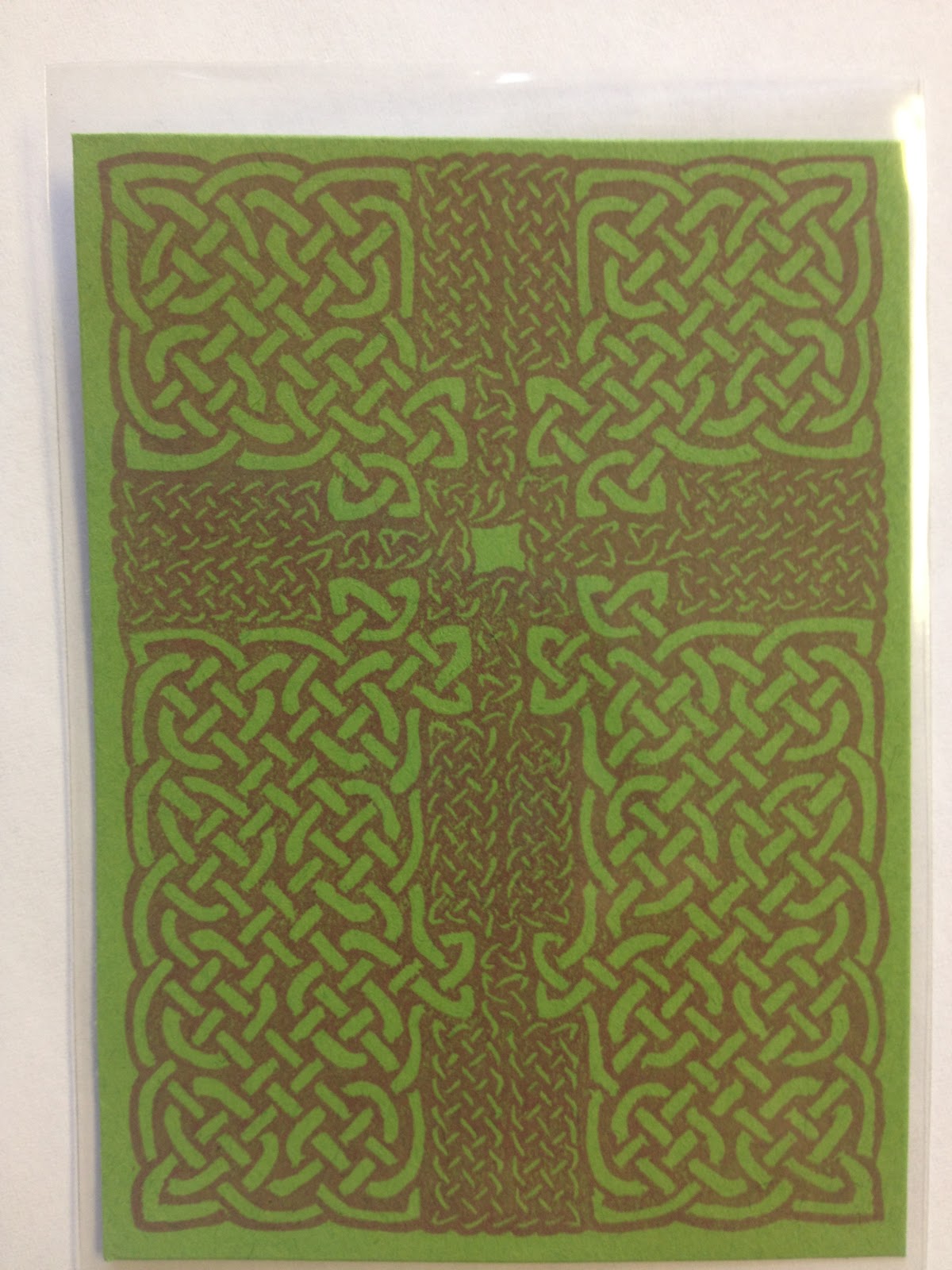
I do a lot of Celtic knot-inspired images, because I think they're fun to carve. :-)
Sometimes I go simple, and just let the carve speak for itself.
Backgrounds and papers can make for fun experimentation...
As can unusual materials. (Yes, that's really duct tape!)
I love using my Distress inks to get a multitude of different effects.
These cards all use texture as part of their design.
Colorr can be added many ways, including coloured pencils, blending chalks, and Copic markers.
One of the cool things about carving your own stamps, is the ability to layer images.
The above card was made by layering 2 different stamps.
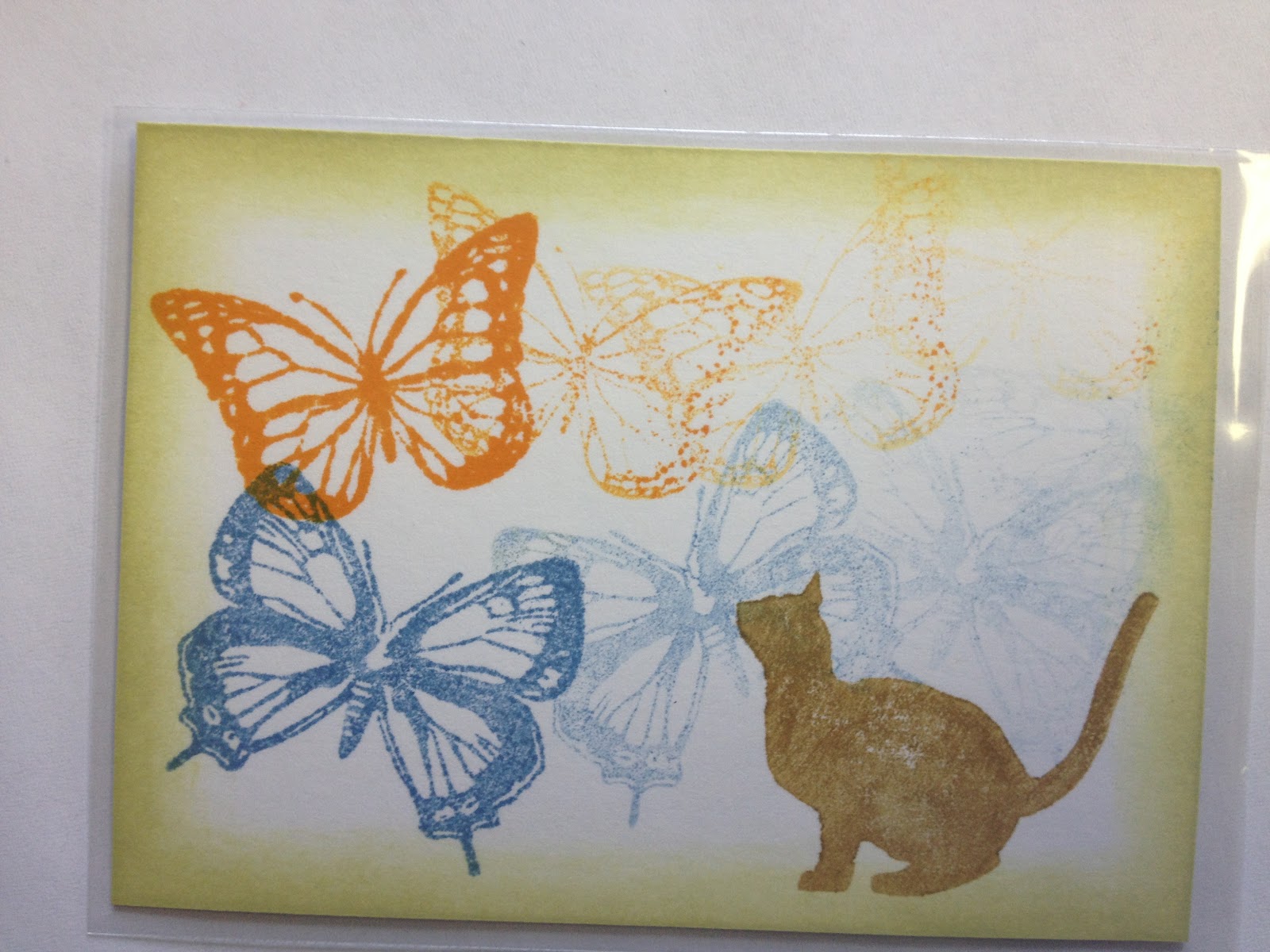
This card emerged from a swap where the butterfly stamps were sent to each participant, to see what they would make with them. The cat is my carve, and the above is my design using all 3 stamps.
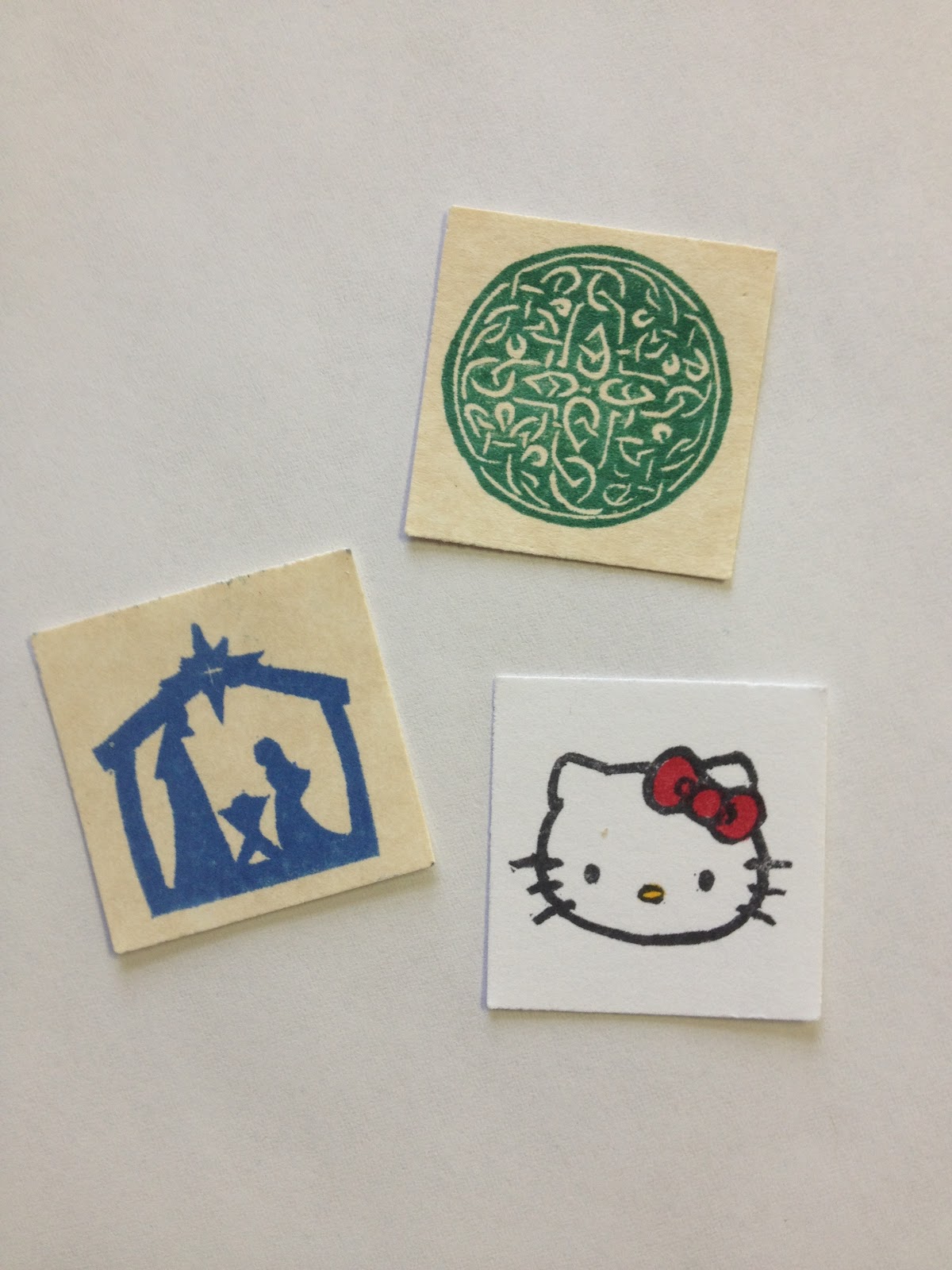
A newer development have been subsets of LTCs known as inchies (1 inch square),
and twinchies (2 inches square). Above are 3 inchies from my collection.
And this is me (anime style). Yes, I have a blue streak in my hair. It makes me smile. :-)
So that's what LTCs are all about, along with some of my examples. I'm far from the only LTC maker blogging, so google around for more examples. We have some amazing artists!
If there's a card above that you'd like to know more about how it was constructed, feel free to comment below, and I'll make it the topic of a future post. :-)
Subscribe to:
Posts (Atom)